
French Buttercream
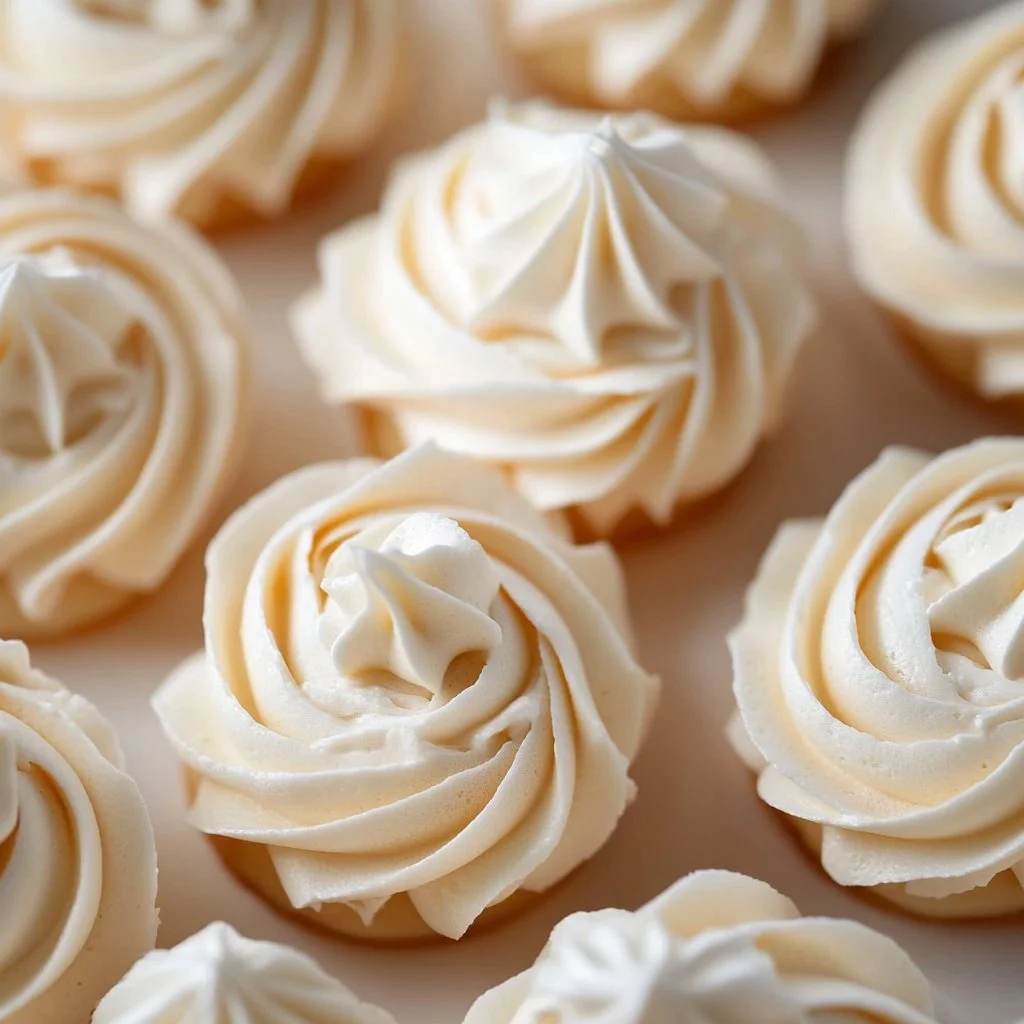
French Buttercream is not just a recipe; it’s an invitation to a world of indulgence. The rich, creamy texture envelops your senses as you prepare this luscious frosting. With every whisk and swirl, you’ll breathe in the sweet aroma of vanilla, and feel the silky smoothness that will lovingly coat your cakes or cupcakes. This step-by-step guide will help you master the art of crafting French Buttercream, turning each bite into a moment of pure bliss.
History / Fun Fact
French Buttercream has its roots in the art of French pastry making, where it has been cherished for centuries. Unlike its American counterpart, which typically uses powdered sugar, French Buttercream begins with a sugar syrup combined with egg yolks. This method allows for a more velvety texture and a deep flavor profile that tantalizes the taste buds. Interestingly, this frosting was traditionally used by renowned pastry chefs who wanted to showcase the true richness of butter alongside sweetness, creating a decadent experience perfect for high-end desserts.
Ingredients
To create this luxurious French Buttercream, you’ll need the following ingredients:
- 4 large egg yolks: Bright, golden yolks provide richness and a creamy texture that forms the body of this frosting.
- 1 cup granulated sugar: The sweet foundation that balances the richness, dissolving elegantly into a silky glaze.
- 1/4 cup water: A crucial component to dissolve the sugar, ensuring a smooth syrup that creates stability.
- 1 cup unsalted butter, softened: The star ingredient that infuses the frosting with creamy goodness and a melt-in-your-mouth quality.
- 1 teaspoon vanilla extract: Pure, aromatic vanilla adds a depth of flavor that enhances the overall experience.
- Pinch of salt: Just a smidge to brighten up the flavors, balancing sweet and savory.
Each ingredient contributes to the overall sensation of French Buttercream, delivering a decadent experience that elevates any dessert.
Cooking Time & Tips for French Buttercream
The preparation time for French Buttercream can vary based on your approach. A quick method might take about 15-20 minutes, while a slow, deliberate approach can enhance the flavors and creaminess, taking around 30 minutes in total. Here are some practical tips for success:
- Use room temperature ingredients: Ensure your butter is soft to create the creamiest consistency. It should yield to your touch without being oily.
- Watch the sugar syrup closely: As it heats, keep an eye on the thermometer. A precise temperature of 240°F (115°C) ensures ideal consistency.
- Don’t rush the mixing: Allow the egg yolks to whip until thick and pale for proper incorporation of air, which adds lightness to the frosting.
Step-by-Step Directions
Prepare the sugar syrup: In a small saucepan, combine the granulated sugar and water over medium heat. As you stir, watch the granules dissolve, transforming into a glossy liquid. Bring the mixture to a gentle boil, listening for the soft bubbling, and cook until it reaches the precise temperature of 240°F (115°C).
Whip the egg yolks: While the syrup heats, in a mixing bowl, beat the egg yolks using a stand mixer or handheld whisk. Keep whipping until they become thick and pale, resembling a rich custard.
Combine syrup and egg yolks: Once your syrup is ready, carefully drizzle it into the whipped egg yolks, continuing to mix at a low speed. The warmth of the syrup will temper the yolks, creating a luscious blend.
Cool and whip: Gradually increase the mixer speed to high, whipping the mixture until it cools to room temperature. The result will be voluminous and airy, foamy like a cloud.
Incorporate the butter: With your mixer on a medium setting, gradually add the softened butter, a tablespoon at a time. Watch as it melds into the mixture, transforming into a rich, creamy frosting.
Flavor the frosting: Finally, mix in the vanilla extract and a pinch of salt. This melding will create a vibrant, aromatic frosting that you can use immediately or store in the refrigerator for up to a week.
Serving Suggestions & Occasions
French Buttercream is remarkably versatile. Use it to frost chocolate cakes, vanilla bean cupcakes, or as a filling between layers of delicate sponge cakes. It’s the perfect companion for special occasions like birthdays, weddings, or elegant tea parties. Imagine serving a slice of moist, rich cake adorned with this extravagant frosting, showcasing your baking prowess and providing a delightful experience for your guests.
Common Mistakes for French Buttercream
When crafting French Buttercream, it’s easy to stumble into a few common pitfalls:
- Overheating the syrup: Using too high a temperature can lead to hard candy rather than a smooth syrup. Always rely on a candy thermometer.
- Underwhipping the egg yolks: Insufficient whipping can lead to a dense frosting. Make sure they reach a thick, pale consistency.
- Adding butter too quickly: This can cause the mixture to deflate. Add it gradually to maintain that airy quality.
Healthier Alternatives & Variations
If you’re looking for lighter options, consider these alternatives:
- Reduce sugar: You can experiment with natural sweeteners like honey or maple syrup, keeping in mind the flavor will change.
- Vegan variation: Use aquafaba (the liquid from canned chickpeas) in place of egg yolks and vegan butter for a plant-based option that still retains creaminess.
- Flavor twists: Infuse your buttercream with lemon zest, coffee, or cocoa powder for unique variations that excite the palate.
FAQs
Can I use this buttercream for piping decorations?
Yes, French Buttercream is perfect for piping delicate decorations, thanks to its creamy consistency.How should I store leftover buttercream?
Store any leftover buttercream in an airtight container in the refrigerator. Bring it back to room temperature before using.Can I freeze French Buttercream?
Yes, you can freeze it! Place it in an airtight container for up to three months. Thaw overnight in the fridge before using.What cakes pair well with French Buttercream?
French Buttercream complements rich flavors like chocolate, vanilla, and fruit cakes. It’s particularly delightful on layered cakes.How can I adjust the sweetness?
You can adjust the sugar quantity slightly according to your taste preference, but keep in mind that it might affect the texture.Can I use salted butter instead?
You can, but be cautious with the added salt. It may affect the overall flavor balance of the buttercream.
Conclusion
Now that you’ve unlocked the secrets of French Buttercream, it’s your turn to indulge in this rich, delectable frosting. Imagine whipping up a creamy batch to elevate your next dessert creation, crafting memories that linger long after the last slice is enjoyed. Don’t wait any longer; grab your ingredients, and start this delightful journey of flavor and texture in your kitchen today!
French Buttercream
Ingredients
Method
- In a small saucepan, combine the granulated sugar and water over medium heat. Stir until the sugar dissolves, then bring to a gentle boil and cook until it reaches 240°F (115°C).
- In a mixing bowl, vigorously beat the egg yolks using a stand mixer or handheld whisk until thick and pale.
- Once the syrup is ready, slowly drizzle it into the whipped egg yolks while mixing at low speed.
- Gradually increase the mixer speed to high and whip the mixture until it cools to room temperature.
- With the mixer on medium, add the softened butter one tablespoon at a time until well incorporated.
- Finally, mix in the vanilla extract and a pinch of salt to complete the frosting.